
How Language Options Improve Accessibility on Online Platforms
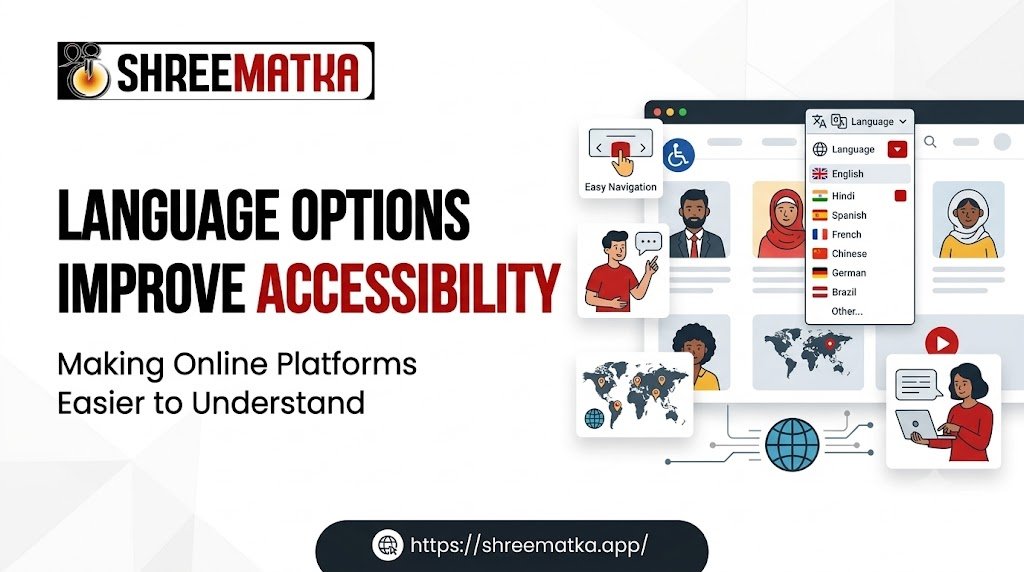
Every single day, millions of individuals visit digital services built for a wide range of linguistic communities. Whether it’s news, public services, or education, it’s the presentation of information that allows any user to navigate a website confidently. Ensuring essential details are communicated in a language a user reads comfortably is one of the easiest ways to improve any digital experience.
Making a digital environment accessible through multiple language options helps bridge the gap between any visitor and the intended message. Language options let a user comfortably digest operational information or receive directions. It is vital for anyone navigating content, rules, disclaimers, privacy policy, terms of service, and educational material.
Digital services like informational platforms have a growing audience that prefers different languages. Making the language options clear will help users read any platform notices and guidance with ease.
What Are Multilingual Online Platforms
Multilingual online platforms are any type of websites or digital portals that use more than one language to communicate information, menus, notices, or other operational content to a site visitor. These digital services can implement language options in several ways:
Language Implementation Examples
| Type of Language Implementation | Description |
|---|---|
| Full Website Translation | Human-translated interface and information |
| Selected Translated Pages | Only important pages are human-translated |
| Dedicated Language Selectors | Language selectors appear on the interface |
| Automated / Browser Translation | Website translation is done with a browser plugin |
Why Language Options Matter for Accessibility
The idea of digital accessibility often focuses on technical aspects, such as screen reader compatibility or other technical accommodations. However, cognitive accessibility examines how humans process information presented by a digital interface.
Language Barriers
- Cause: Misread Instructions
- Effect: Hesitant Navigation
- Result: Higher User Risk
Whenever a user reads information that is not understandable or uncomfortable, routine tasks become stressful. Language options help online platforms boost cognitive accessibility since it:
- Helps to comprehend information clearly
- Makes navigation faster and more intuitive
- Removes strain from reading uncomfortable text
- Encourages cautious exploration of any digital space
Having clear communication in a comfortable language helps any site visitor understand what they read on a digital interface. Users can comfortably follow instructions and navigate a website’s interface with ease.
Language Options Can Make Important Information Easier to Understand
Clear language options can improve the readability of any digital content. However, there are particular website sections that demand closer attention to language specifics.
| Information Type | Description |
|---|---|
| Age Verification Notices | Users must understand eligibility requirements (see our guide to online gaming age restrictions) |
| Terms and Conditions | Operational limitations and visitor expectations |
| Privacy Declarations | User information safety, collection, and storage details |
| Responsible-Use Guidance | Notices and guidance about personal limits |
Multilingual Content and Responsible Access
Any online platform that promotes responsible access understands the importance of clear communication. Being responsible about platform access means a visitor knows what to expect, what limitations are in place, and what they can do to stay safe.
Language Options Encourage Responsible Access
| Type of Information | Description |
|---|---|
| Clear Rules & Policies | Visitors know the online platform’s limitations |
| Boundary-Setting Awareness | Users can find guidance on personal limits |
| Risk Identification | Notices make it clear what limitations apply |
| Self-Regulation Capabilities | Users know when they need to take a break |
When any website shares safety guidelines in more than one language, it encourages its visitors to establish personal boundaries and explore the service responsibly. However, offering multilingual content does not eliminate the personal responsibility of any site visitor.
Even when a digital interface has language options, users must read any notices carefully and abide by local laws and online platform rules. Knowing the basics of safe online behavior is essential for building a trusting relationship with any website.
How Language Options Improve Website Navigation
The task of website navigation becomes intuitive once a person can comfortably read menu items. Any website with poor language options will see its visitors struggling to find specific pages or services.
Multilingual Website Accessibility Lets You Navigate With Ease
| Website Section | Description |
|---|---|
| Primary Categories | Home, About Us, Services, or Blog |
-
Data & Informational Archives: Any analytical content or archived information, such as Satta Matka Charts.
-
Support & Help Desks: Contact options, FAQs, and self-help resources that allow users to find assistance when needed.
-
Legal & Safety Portals: Easy access to important rules, policies, and online safety guidelines.
Adding language options to these sections makes it easier for visitors to understand and navigate the website. Clear navigation also improves online safety because users are less likely to click unfamiliar or unprotected links or overlook important safety information.
Language Options and Mobile Accessibility
Smartphones account for a large share of internet usage, but reading detailed content on a small screen can sometimes be difficult. Compared with desktop displays, smartphone screens provide less space, so websites need to present information in a clear and easy-to-read format.
Small Smartphone Display
| Factor | Description |
|---|---|
| Limited Screen Space | Keep important information short and easy to read. |
| Compact Touch Menus | Use clear icons and labels that are easy to understand. |
| On-the-Go Browsing | Present information in a way that users can understand quickly. |
Need for Clear Language Options
Language options help mobile website accessibility since a visitor will comfortably read larger labels and essential disclaimers without having to zoom in or out. The combination of responsive website design and clear language options improves website navigation and usability on a small mobile display.
Translation Is More Than Changing Words
Many digital platforms make the mistake of localizing content by substituting individual words for their foreign equivalents. Proper language localization requires understanding the context and intent behind a sentence.
| Literal Translation | Accurate Localization |
|---|---|
| Word-for-word substitution | Context-specific phrasing |
| Ignores grammar nuances | Keeps the original intent the same |
| Distorts legal disclaimers | Maintains identical legal terms |
| Creates confusing phrasing | Provides a natural language flow |
Any professional website localization service will keep the original meaning of terms, legal disclaimers, and specific instructions intact. Websites must also preserve the syntactical structure of sentences, since a user must intuitively understand localized content. Following language-specific writing conventions is vital for building a trusting relationship with multilingual site visitors.
Important Notices Should Be Easy to Understand
Notices, banners, and warning messages are often the most crucial part of a digital interface. A user must understand any guidelines, limitations, or rules before interacting with a digital service. Any notice with unclear language options can cause confusion or misunderstanding.
Important Notice Type Description
| Important Notice Type | Description |
|---|---|
| Age and Eligibility Restrictions | Clear statements for age limits and restrictions |
| Privacy and Data Handling | Easy-to-read explanation of user tracking |
| Disclaimer Statements | Clear language rules about past records |
| Account Safety Alerts | Straightforward account protection guidelines |
Language Accessibility and User Trust
Trust is the foundation of a strong relationship between any website and its users. Clear website communication builds a positive relationship with site visitors since everyone feels valued. A digital platform that values potential visitors builds better content, knowing a higher percentage of any audience will intuitively accept its terms and conditions.
User Trust and Clear Website Communication
Communication Trait Description
| Communication Trait | Description |
|---|---|
| Clear Policies | Transparent terms and operational limitations |
| Consistent Terminology | Predictable word choice and phrasing |
| Increased Visitor Trust | Helps visitors feel more confident when understanding website information |
Having clear language options on a digital portal encourages honest communication with its audience. Users can intuitively read terms of service, privacy policy, and other important notices without assistance. Offering localized educational material also helps build a good relationship with a global audience. While language localization does not guarantee higher user retention, it is a critical step in building a positive relationship with a worldwide audience.
Common Challenges With Multilingual Websites
Website localization is a continuous process, and website owners often encounter recurring multilingual website maintenance issues.
Common Maintenance Issue Description
| Challenge | Description |
|---|---|
| Incomplete Page Translations | Important pages appear in the default language |
| Outdated Localized Content | The default language is updated, but localized versions are not |
| Unvetted Machine Translation | Mistakes may appear in localized legal disclaimer wording |
| Layout Disruption | Long words in other languages can break the page layout |
Any online platform offering multilingual content must constantly update its localized content. Website owners must always double-check the integrity of any localized text updates. Website accessibility is compromised anytime language-specific characters disrupt a webpage’s layout.
How Websites Can Improve Multilingual Accessibility
Any online platform looking to improve multilingual accessibility has several options. Digital services can use industry best practices as guidelines for developing better language-localized content.
Best Practice Description
| Practice | Description |
|---|---|
| Place Language Selectors Prominently | Position the language switcher in an intuitive place |
| Prioritize Important Content | Translate legal disclaimer content first |
| Review Translations Periodically | Examine language-specific phrasing regularly |
| Sync Policy Updates Across Languages | Update policies consistently across all languages |
Websites can improve multilingual accessibility by making language selectors prominent. Doing so lets a site visitor intuitively switch between languages. Placing selectors in a header or footer makes them noticeable without extra effort. Translating operational information, such as terms of service or privacy policy, is also necessary for building a trusting relationship with an international audience.
Multilingual Accessibility and SEO
Making a digital platform accessible in multiple languages improves its visibility to users who prefer non-default language options. Search engines are intuitive about the preferences of users who speak different languages.
How Users Can Choose the Right Language Option
Benefits of Multilingual Content
| Benefits | Description |
|---|---|
| Improved Content Discovery | Localized content is easier to find |
| Better Matching of Search Intent | Users get relevant results in their preferred language |
| Increased Engagement | Lower bounce rates from intuitive language accessibility |
Site visitors looking for intuitive language options can follow this simple checklist:
- Select Your Preferred Language: Look for a language option selector in the header or footer of a website
- Read Important Policy Pages: Examine age requirements, terms of service, and privacy policy in your selected language
- Double-Check Terms: Confirm any terms or conditions are clear and comfortable to read
- Use Browser Translation Tools Sparingly: Never rely on automatic browser translation for legal or privacy-related content
- Consult Legal Experts: Always examine local laws and consult legal authorities when in doubt
Also Read: How Historical Charts Help Understand Matka Trends
Conclusion
Multilingual online platforms can make digital services easier to understand and navigate for people who prefer different languages. Clear language options help users understand important information such as terms and conditions, privacy policies, age requirements, safety notices, and responsible-use guidance without unnecessary confusion.
However, providing multiple languages is more than simply translating individual words. Accurate localization, consistent terminology, responsive design, readable layouts, and regularly updated content are all important parts of a useful multilingual experience. Website owners should also make language selectors easy to find and ensure that important notices remain clear across all available languages.
Ultimately, language accessibility can support better website navigation, clearer communication, and more informed use of digital services. Users should still read important notices carefully, understand the rules that apply to them, and remain aware of their own responsibilities when accessing any online platform.
Frequently Asked Questions
1. What Are Multilingual Online Platforms?
Multilingual online platforms are any type of digital service that communicates information in more than one language.
2. How Do Language Options Improve Online Accessibility?
Language options improve cognitive accessibility by eliminating language barriers and helping users understand safety guidelines and rules.
3. Why Is Language Important for Responsible Online Access?
Responsible platform access rules are often clear in their expectations. Any visitor needs to fully comprehend terms of service, guidelines, limitations, and rules before using a digital service.
4. Does Translating a Website Automatically Make It Fully Accessible?
No, translation is only one element of an accessible digital environment. Online platforms need to optimize website layout, navigation, mobile responsiveness, and content presentation.
5. Why Should Important Website Notices Be Translated Accurately?
Online platforms must communicate important details accurately to promote safe and intuitive browsing.
Disclaimer
Visiting and browsing this website is strictly at your own risk. All information available here is for informational and entertainment purposes only and is based on number calculations. We are not associated or affiliated with any illegal Matka business. We make every effort to follow the rules and regulations of the regions from which the website is accessed. There is a chance the website may be banned in your area; if you continue to use it after that, you alone are responsible for any damage, loss or legal action that may follow. Satta Matka may be illegal in your jurisdiction — please be aware of and comply with your local laws. Gambling can be addictive; players must be 18 or older, and underage gambling is strictly prohibited. If you do not agree with this disclaimer, please leave the website immediately. Copying any content posted on this website is strictly prohibited.